
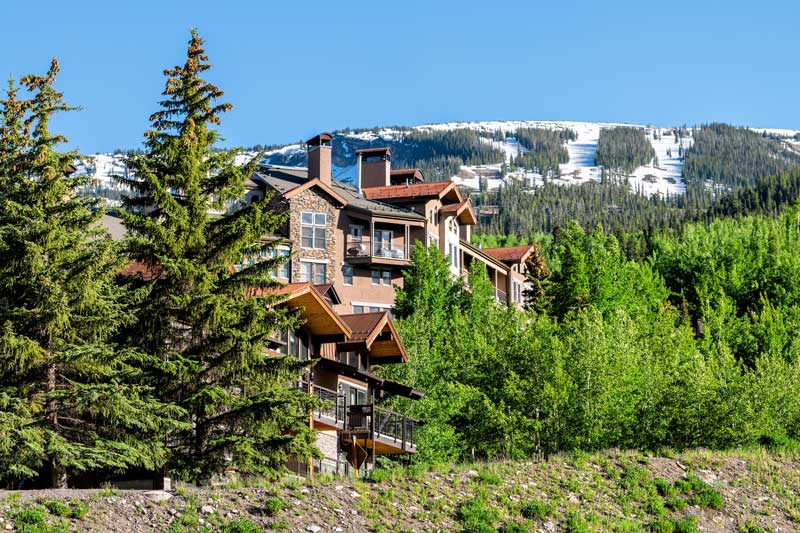
If your HOA dues went up again this year, you’re not imagining a trend. Across Colorado, homeowners association budgets are absorbing some of the steepest insurance increases in the country, and condo and townhome owners in the Roaring Fork Valley are feeling it directly in their monthly costs. Here’s what’s driving it and what it means if you own — or are considering buying — in a shared community.
It’s easy to assume wildfire risk is the main culprit behind Colorado’s insurance run-up, and it’s certainly part of the picture in mountain communities. But statewide data points to something else as the bigger driver: hail. Colorado consistently ranks among the top states nationally for hail frequency and severity, and insurers have been pricing that risk in aggressively. Colorado’s average annual homeowners insurance premium is now roughly $4,164 — a 61% increase since 2023 and more than double what it was in 2020 — making the state one of the most expensive in the country for coverage, alongside fast-rising construction costs and, in mountain areas, wildfire exposure.
Why This Hits HOA Buildings Especially Hard
A condo or townhome community’s master insurance policy — the coverage that protects the building structure, common areas, and shared liability — is typically one of the largest and fastest-growing line items in an HOA budget, often 15 to 25 percent of total dues. Some Colorado HOAs have seen premium increases of 200 percent or more in a single renewal cycle, and buildings with aging roofs or prior claims are increasingly finding themselves non-renewed altogether, forcing a scramble to find coverage in a thinner market at higher rates. When the master policy jumps, the HOA board generally has one option: raise dues to cover it.
New Rules Aimed at Protecting Owners
Colorado lawmakers have been responding. A 2025 law now requires insurers to clearly disclose wildfire risk scores to policyholders, explain what mitigation steps could lower that risk, and offer an appeal process if an owner believes their risk score is wrong. This year, a new law taking effect in August requires reserve studies looking out 30 years for associations still under developer control, with new disclosure requirements to make sure incoming owners and boards understand the building’s long-term financial obligations before control transitions. Owners also have the right to request a certified copy of their association’s insurance policy, and insurers who don’t provide one within 30 days can face daily penalties.
What This Means If You’re Buying or Selling
If you’re shopping for a condo or townhome in the valley, ask to see the HOA’s current insurance policy and its claims history, not just the current dues amount — a low monthly fee today can mean a steep special assessment or dues increase is coming if the building’s coverage is about to renew. If you’re selling, be prepared for buyers and their agents to ask pointed questions about the master policy, reserve funding, and any pending assessments; transparency here builds trust and can prevent a deal from stalling during due diligence. And if you already own in an HOA, it’s worth asking your board directly how the community’s reserve study and insurance renewal are shaping next year’s budget — better to understand a dues increase before it shows up on your statement than after.
Insurance markets and HOA regulations continue to shift quickly. This isn’t financial or legal advice — talk with your HOA board, insurance agent, or a real estate attorney about your specific situation.